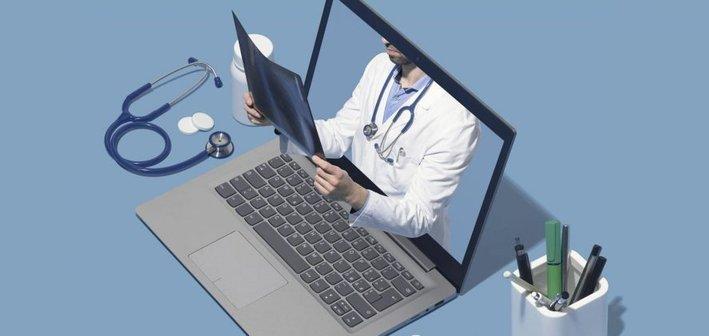
Few days ago, I had posted this blog where we examined some of the issues arising out of over-dependence on hospitals for the India’s Healthcare system.
In this post, we are proposing the constructs of an ideal digital hospital that can address most of the issues involved.
A digital hospital should not merely be a hospital with software—it is a fundamentally different model of care.
For over a century, healthcare has revolved around the hospital. Patients become ill, travel to a healthcare facility, receive treatment, and return home until the next episode of care. This “hospital-first” model has delivered remarkable advances in medicine, but it also creates significant challenges: overcrowded hospitals, delayed access, fragmented care, rising costs, clinician burnout, and poor continuity once patients leave the hospital.
Meanwhile, demographic changes, the growing burden of chronic diseases, aging populations, and workforce shortages are making this model increasingly unsustainable.
What follows below is our thinking on what an ideal digital hospital looks like.
A Digital Hospital offers an alternative. Rather than viewing the hospital as the center of healthcare, it extends hospital-grade capabilities into homes, communities, and patients’ everyday lives through digital technologies, connected devices, unified health records, artificial intelligence, and coordinated care teams.
The goal is not to replace hospitals, but to reserve hospital resources for patients who truly need them while enabling continuous, proactive, and personalized care elsewhere.
Key Features of a Digital Hospital
1. Virtual Front Door: The Digital Hospital begins before a patient enters a building.
Instead of navigating multiple departments, patients interact through a single digital entry point.
Patients should be able to book appointments instantly, start video consultations, chat with AI-assisted discovery and triage systems, upload reports, prescriptions and past health record, access prescriptions, receive reminders, and make digital payments
2. Intelligent Digital Triage: Many hospital visits are unnecessary.
AI-powered symptom assessment combined with clinical protocols can determine whether patients require emergency care, same-day consultation, scheduled physician visit, home care or self-care guidance.
3. Continuous Remote Patient Monitoring
Rather than measuring health only during hospital visits, patients are monitored continuously through connected devices.
Examples include Blood pressure, Blood glucose, Pulse oximetry, ECG, Weight, Temperature, Sleep, and Activity
Abnormal trends trigger early intervention before deterioration requires hospitalization.
4. Hospital-at-Home Platform: Many medical conditions can now be treated safely at home.
A Digital Hospital coordinates physician visits, nursing care, laboratory collection, oxygen therapy, IV medications, pharmacy delivery, and remote monitoring.
Patients receive hospital-grade care while remaining in familiar surroundings.
5. Integrated Care Coordination: Healthcare often involves multiple specialists.
A Digital Hospital provides one shared care plan visible to physicians, nurses, home care teams, rehabilitation specialists, pharmacists, and family caregivers
Tasks, referrals, medications, appointments, and follow-up activities are coordinated through a single workflow.
6. Artificial Intelligence for Driving Better Outcomes
Artificial intelligence supports clinicians in their decision-making. It pro-actively sends reminders to beneficiaries and their loved ones about things like scheduling follow ups, giving a pointer to what to ask the doctor in the upcoming visit. AI suggests evidence-based guidelines. It highlights abnormal investigations, identifies medication interactions, and may help in predicting clinical deterioration. In case of elderly patients, AI helps in assessing the home conditions from mobility and safety/comfort standpoint.
7. Digital Command Center: A central operations hub monitors thousands of patients simultaneously.
Dashboards identify high-risk patients, missed medications, abnormal vital signs, escalating symptoms, delayed follow-ups, and home care staff activities.
Instead of reacting to crises, clinical teams intervene proactively.
8. Smart Discharge Management: Discharge should initiate the next phase of care rather than conclude treatment.
Digital discharge includes medication reminders, video follow-up, remote monitoring, home nurse scheduling, rehabilitation exercises, educational content, and automated recovery tracking
The objective is to prevent avoidable readmissions.
9. Digital Twin for Longitudinal Care
Each patient develops a continuously updated digital health profile combining medical history, diagnoses, laboratory results, wearable data, lifestyle information, medications, and care plans.
Clinicians understand the patient’s long-term trajectory instead of isolated encounters.
10. Personalized Preventive Care: Digital Hospitals identify risks before disease develops.
Examples include Diabetes risk prediction, Hypertension progression, Cardiovascular risk, Frailty assessment, Fall prediction, Malnutrition detection
Patients receive personalized interventions months or years before hospitalization becomes necessary.
11. Home Care Workforce Platform: Home healthcare requires effective coordination.
The platform manages scheduling, skill matching, credentials verification, activity tracking, clinical escalation, etc.
This increases workforce productivity while improving quality.
12. Family Caregiver Portal: Family members become active participants in care.
With appropriate consent, caregivers can view care plans, track medications, receive alerts, communicate with clinicians, monitor appointments, check and update vitals data, and access educational resources.
Supporting caregivers improves adherence and patient outcomes.
13. Medication Intelligence: Medication-related problems remain a major cause of readmissions.
Digital Hospitals help through automated reminders, adherence monitoring, drug interaction alerts, prescription renewal workflows, diagnostics and pharmacy integration.
14. Emergency Alerts and Response
Digital hospital has technology to predict emergency, detect falls, and provide a mechanism to easily and quickly alert the authorized family, friends, clinicians, and emergency handlers. Digital hospital offers patient stabilization help during emergency before the medical help arrives. The hospital can also offer quick ambulance dispatch through digital integrations with the systems of ambulance service providers.
15. Interoperable Digital Ecosystem
A Digital Hospital connects seamlessly with primary care physicians, specialists, super specialists, diagnostic laboratories, pharmacies, insurance providers, home healthcare agencies, rehabilitation centers, and government health systems.
Information follows the patient rather than remaining within institutional boundaries.
These capabilities will make care more proactive, scalable, and efficient.
Measuring Success
The effectiveness of a Digital Hospital should be measured not only by hospital activity but by outcomes that matter to patients and health systems. The outcomes include reduced emergency department visits, fewer avoidable hospital admissions, lower 30-day readmission rates, shorter average length of stay, improved chronic disease control, higher medication adherence, greater patient satisfaction, better clinician productivity, reduced cost per episode of care, and increased proportion of care delivered safely at home
Conclusion
The future of healthcare is unlikely to be defined by larger hospitals or more hospital beds. Instead, it will be shaped by healthcare systems that combine the strengths of physical hospitals with digital technologies to deliver care wherever patients need it.
A Digital Hospital transforms healthcare from an episodic, facility-centered service into a continuous, connected, and patient-centered experience. By enabling virtual access, remote monitoring, AI-assisted clinical workflows, coordinated home care, and data-driven prevention, it addresses many of the inefficiencies inherent in the traditional hospital-first model.
The hospitals that succeed over the next decade will not simply digitize existing processes—they will redesign care pathways so that the hospital becomes one component of an integrated care ecosystem rather than the default destination for every health need.


An insightful vision for the future of healthcare. This article goes beyond digitizing hospitals and reimagines how care can be delivered continuously across homes, communities, and clinical settings. The emphasis on AI, remote monitoring, care coordination, and family engagement highlights a practical path toward improving outcomes while reducing the burden on hospitals. A timely and thought-provoking perspective on what healthcare should evolve into.